

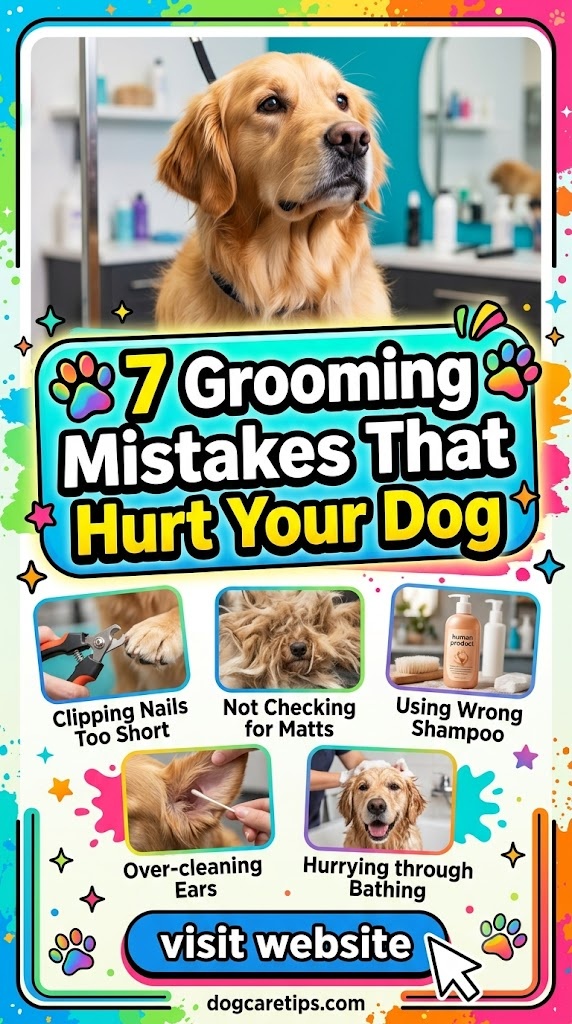
Dog Grooming Bible: Expert Secrets to Transform Your Pet from Scruffy to Spectacular (and Save Thousands!)
Grooming your dog is far more than a simple matter of vanity. While every owner loves a pup that looks like they just stepped out of a Best in Show ring, grooming is a fundamental pillar of canine health, longevity, and emotional well-being. It is a ritual of bonding, a diagnostic check-up, and a preventative healthcare measure all rolled into one.
Many owners feel intimidated by the prospect of DIY grooming. The sharp shears, the vibrating clippers, and the dreaded “quick” of the nail can make the process feel like a minefield. However, with the right knowledge, professional-grade tools, and a healthy dose of patience, you can master the art of dog grooming at home. This comprehensive guide will take you from a nervous novice to a confident home groomer, ensuring your dog stays healthy, happy, and smelling like a dream.
1. The Psychology of Grooming: Building Trust First
Before you even pick up a brush, you must understand the psychological aspect of grooming. For a dog, being handled in sensitive areas—the paws, the ears, the tail, and the belly—requires an immense amount of trust.
Desensitization and Counter-Conditioning
If your dog bolts the moment they see a brush, you have a PR problem. Start by leaving your grooming tools on the floor and placing high-value treats (like boiled chicken or peanut butter) around them. Let your dog investigate the “scary” objects on their own terms.
Once they are comfortable with the presence of the tools, practice “handling sessions.” Touch their paws, lift their ears, and rub their belly without any tools in hand, immediately rewarding them with treats. This builds a positive association: “When human touches my feet, I get something delicious.”
The “Power of the Choice”
Never force a grooming session. If your dog is showing signs of extreme stress—whites of the eyes showing, heavy panting, or trembling—stop. Break the grooming into five-minute micro-sessions. You don’t have to do the whole dog at once. Do the front left paw today, the front right tomorrow.
2. Knowing the Canvas: Understanding Different Coat Types
Not all fur is created equal. Using a brush designed for a Golden Retriever on a Poodle is like trying to use a lawnmower to trim a hedge; it’s the wrong tool for the job.
The Smooth Coat (Labradors, Boxers, Beagles)
Smooth-coated dogs are the easiest to groom, but they are notorious shedders. Their hair grows, dies, and falls out in a rapid cycle.
- The Secret: Use a rubber curry brush in a circular motion to massage the skin and pull up loose hairs.
The Double Coat (Huskies, German Shepherds, Pomeranians)
These dogs have a soft, insulating undercoat and a tougher outer “guard” coat.
- The Golden Rule: Never shave a double-coated dog. Shaving destroys their natural temperature regulation and can lead to permanent coat damage (alopecia) and sun damage. Use an undercoat rake to remove the “dead” fluff.
The Long Coat (Yorkies, Shih Tzus, Maltese)
This is hair, not fur. It grows continuously and will mat into felt-like clumps if not brushed daily.
- The Secret: Use a high-quality slicker brush followed by a metal greyhound comb to ensure you’ve reached the skin.
The Wire Coat (Terriers, Schnauzers)
These coats are rough and bristly. In professional settings, they are often “hand-stripped,” but for home maintenance, regular brushing and occasional clipping are standard.
The Curly/Wavy Coat (Poodles, Doodles, Bichons)
These are the most high-maintenance. Because they don’t shed traditionally, the dead hair gets trapped in the curls, creating painful mats.
- The Secret: Line-brushing. Part the hair and brush from the skin outward in layers.
3. The Essential Home Grooming Toolkit
To do a professional job, you need professional (or semi-pro) tools. Investing $200 now will save you $100 per month in grooming fees.
- Slicker Brush: The “everything” brush. Great for removing debris and loose hair.
- Metal Greyhound Comb: Used for “checking” your work. If the comb gets stuck, there’s a mat there.
- Undercoat Rake: Essential for heavy shedders to pull out the dead undercoat before it ends up on your sofa.
- Nail Clippers or Grinder: Choose what you (and your dog) are most comfortable with. Dremel-style grinders are often less scary for the dog.
- Styptic Powder: Essential. If you accidentally cut the “quick” (the blood vessel in the nail), this powder stops the bleeding instantly.
- Ear Cleaning Solution: Must be pH-balanced for dogs.
- Dog-Specific Shampoo: Human skin is acidic; dog skin is neutral. Using human shampoo can cause rashes and yeast infections.
4. Mastering the Bath: From Wet Dog to Wonder Dog
Many owners make the mistake of just “throwing the dog in the tub.” A successful bath requires a tactical approach.
The Pre-Bath Brush
Critically Important: Never bathe a matted dog. Water acts like a glue for mats, tightening them against the skin as they dry. Always ensure your dog is 100% tangle-free before they get wet.
Temperature and Technique
- Lukewarm is Key: Dogs have thinner skin than humans. What feels “nice and hot” to you is scalding to them. Use lukewarm water.
- The Cotton Ball Trick: Place a large cotton ball in each of your dog’s ears to prevent water from entering the ear canal, which is a leading cause of ear infections.
- The Dilution Secret: Don’t pour shampoo directly onto the dog. Dilute it in a pitcher of water first. This makes it easier to spread and much easier to rinse out.
- Double Wash: The first wash removes surface dirt and oils. The second wash actually cleans the skin and hair.
The “Rinse and Repeat”
Rinsing is the most important part. Leftover soap residue is the #1 cause of post-bath itching and “hot spots.” If you think you’ve rinsed enough, rinse for two more minutes.
5. The Art of the Blow Dry
A “wet dog smell” is actually the smell of bacteria and fungus thriving in damp fur. Drying your dog thoroughly is essential.
- The Towel Blot: Do not rub vigorously with a towel; this creates mats. Blot and squeeze the fur.
- The High-Velocity Dryer: If you have a long-haired or double-coated dog, a dedicated pet dryer is a game-changer. It blasts the water out of the coat without using extreme heat.
- Human Dryers: If using a human hair dryer, use the coolest setting. You can easily burn a dog’s skin with a standard hair dryer on high heat.
6. Conquering the “Scary” Parts: Nails, Ears, and Teeth
The Dreaded Nail Trim
Long nails change the way a dog’s paw hits the ground, which can lead to arthritis and skeletal issues.
- Find the Quick: On white nails, the quick is pink. On black nails, it’s invisible.
- The “Salami” Method: Cut tiny, paper-thin slivers. When you see a small black or grayish dot in the center of the nail, stop. That’s the start of the quick.
- Grinding: A grinder is slower but rounds the edges so your legs don’t get scratched during cuddles.
Ear Care
Dogs with floppy ears (Spaniels, Hounds) are prone to moisture buildup.
- Squeeze a few drops of cleaner into the ear.
- Massage the base of the ear (you should hear a “squelch” sound).
- Let the dog shake.
- Wipe the visible part of the ear with a cotton pad. Never use Q-tips inside the canal; you risk rupturing the eardrum.
Dental Hygiene
80% of dogs over age three have some form of periodontal disease.
- Brush daily: Use dog-specific enzymatic toothpaste (poultry or beef flavored).
- The Technique: Focus on the outside of the upper back molars; that’s where the most tartar builds up.
7. Troubleshooting Mats and Tangles
If you find a mat, do not reach for the scissors immediately. Cutting out a mat often results in a “hole” in the coat or, worse, a cut in the skin.
- Cornstarch: Rub a little cornstarch into the mat. It helps the hairs slide past each other.
- The “Pick” Method: Use the end tooth of a metal comb to gently “pick” the mat apart from the outside in.
- Dematting Sprays: These contain silicones that lubricate the hair shaft.
- When to Shave: If the mat is tight against the skin and larger than a quarter, it is often more humane to have a professional shave it out. Pulling on a tight mat is incredibly painful for the dog.
8. Seasonal Grooming: Adjusting for the Weather
Summer Care
Contrary to popular belief, a dog’s coat protects them from the sun. While a “summer cut” (trimming the hair shorter) is fine for single-coated breeds, double-coated breeds should simply be brushed more frequently to remove the insulating undercoat. Always check for ticks after every walk in the summer.
Winter Care
Snow can “ball up” in the hair between the paw pads, causing pain and even frostbite. Keep the hair between the pads trimmed flush with the paw. Also, be wary of road salt; it is caustic to dog paws. Always wash their feet after a winter walk.
9. Nutrition: Grooming from the Inside Out
You can spend hundreds on conditioners, but a shiny coat starts in the gut.
- Omega-3 and Omega-6 Fatty Acids: Fish oil supplements are the “secret sauce” for a glowing coat.
- Protein: Hair is made of protein. A high-quality diet ensures the body has enough resources to grow strong, healthy fur.
- Hydration: Dehydrated dogs have brittle hair and flaky skin. Ensure fresh water is always available.
10. Knowing When to Call the Professionals
While home grooming is great, there are times when a professional is necessary:
- Extreme Matting: If the dog is “pelted” (mats covering the body like armor).
- Aggression: If your dog tries to bite during grooming, seek a professional who can use safe restraint or a behaviorist.
- Anal Glands: While some owners do this at home, it’s a messy, smelly job best left to a vet or professional groomer.
- Show Clips: If you want that perfect Poodle “continental” cut, it takes years of training to master the geometry.
Conclusion: The Reward of a Well-Groomed Dog
Grooming is an investment in your dog’s health. By taking the time to learn these skills, you are doing more than just making your pet look good. You are checking for lumps and bumps that might be cancerous, you are preventing painful ear infections, and you are ensuring they can walk comfortably without overgrown nails.
Perhaps most importantly, you are building a deeper bond. That quiet hour spent brushing your dog while they lean against your leg is a form of communication. It says, “I care for you, and I will keep you comfortable.”
Start small, stay consistent, and keep the treats flowing. Soon, your dog won’t just tolerate grooming—they’ll look forward to it. And your house (and your wallet) will thank you!