
In the pantheon of comfort foods, few dishes strike the perfect balance of simplicity, texture, and flavor quite like the chicken quesadilla. It is the quintessential weeknight lifesaver, a beloved late-night snack, and a versatile canvas for culinary creativity. Whether you are a college student with a single frying pan or a seasoned home cook looking for a family-pleasing meal, mastering the art of the quesadilla is a fundamental skill.
This comprehensive guide will take you far beyond a simple “how-to.” We will explore the science of the perfect melt, the history of this Mexican staple, the nuances of tortilla selection, and, of course, provide a foolproof recipe that guarantees a crispy exterior and a gooey, cheesy interior every single time.
The Anatomy of a World-Class Chicken Quesadilla
To understand what makes a quesadilla truly great, we must break it down into its core components. While it seems like a simple “tortilla plus cheese” equation, the quality of your ingredients and the technique of your assembly determine the difference between a soggy mess and a restaurant-quality masterpiece.
1. The Tortilla: The Foundation of Flavor
Most people in the United States reach for flour tortillas when making quesadillas. There is a reason for this: flour tortillas are pliable, they brown beautifully due to their sugar and fat content, and they provide a soft yet sturdy structure.
- Flour Tortillas: Look for “burrito size” or “fajita size.” If you can find raw, uncooked flour tortillas in the refrigerated section of your grocery store, use them. They offer a fresh, buttery flavor that pre-cooked ones simply can’t match.
- Corn Tortillas: For a more traditional Mexican experience, corn tortillas are the way to go. They offer a nutty, earthy flavor and are naturally gluten-free. However, they are smaller and more prone to cracking, so they require a bit more finesse and a lighter touch with the fillings.
2. The Cheese: The “Glue” of the Dish
Not all cheeses are created equal. For a quesadilla, you need a high-moisture cheese that melts quickly and creates that iconic “cheese pull.”
- Monterey Jack: This is the gold standard. It has a mild flavor and exceptional melting capabilities.
- Oaxaca Cheese: Often referred to as “Mexican Mozzarella,” this stringy, salty cheese is the traditional choice in Mexico. It provides an incredible texture.
- Sharp Cheddar: Adds a punch of flavor. However, it can be oily when melted, so it’s often best to mix it with Monterey Jack.
- Pepper Jack: Perfect for those who want a built-in spicy kick.
- Asadero: A creamy, smooth melting cheese often used in Mexican restaurants for queso fundido.
Pro Tip: Always grate your own cheese. Pre-shredded cheeses are coated in potato starch or cellulose to prevent clumping in the bag, which hinders their ability to melt smoothly.
3. The Chicken: Protein with Personality
The beauty of the chicken quesadilla is its adaptability. You can use leftovers or cook protein specifically for the dish.
- Rotisserie Chicken: The ultimate time-saver. Shred the breast and thigh meat for a mix of textures.
- Poached and Shredded: Great for a clean, lean flavor.
- Pan-Seared Thighs: Chicken thighs stay juicier than breasts and provide a richer flavor when seasoned with cumin, chili powder, and garlic.
- Leftover Grilled Chicken: The smoky char from a previous night’s barbecue adds an extra layer of complexity.
The Essential Easy Chicken Quesadilla Recipe
Now, let’s get into the heart of the matter. This recipe focuses on a balanced ratio of ingredients to ensure every bite is packed with flavor without the fillings falling out.
Ingredients List
- 2 large Flour Tortillas (approx. 10 inches)
- 1.5 cups Cooked Chicken, shredded or finely diced
- 2 cups Shredded Cheese (A mix of Monterey Jack and Sharp Cheddar is recommended)
- 1/2 cup Bell Peppers and Onions, thinly sliced and sautéed (optional but highly recommended)
- 1 tbsp Butter or Neutral Oil (Avocado or Grapeseed oil works best for high heat)
- 1 tsp Taco Seasoning (or a mix of cumin, chili powder, and salt)
- Fresh Cilantro, chopped (for garnish)
Instructions: Step-by-Step
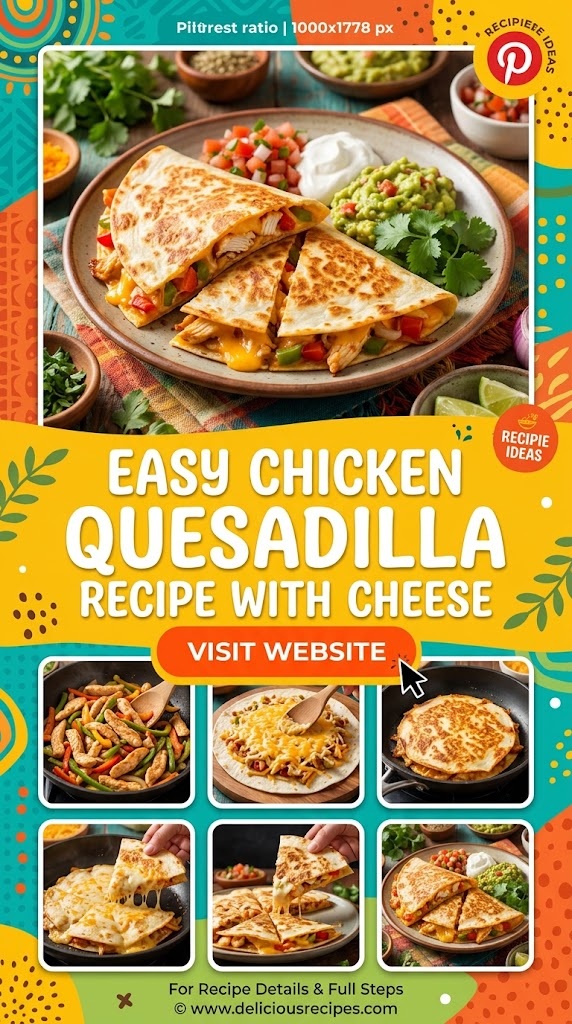
Step 1: Prepare Your Fillings
If you are using raw vegetables, sauté your sliced peppers and onions in a small pan with a drop of oil until they are soft and slightly charred. If your chicken isn’t seasoned, toss your shredded chicken in a bowl with your taco seasoning and a teaspoon of water or lime juice to help the spices adhere.
Step 2: The “Fold” vs. The “Stack”
There are two ways to assemble a quesadilla:
- The Stack: One tortilla on the bottom, fillings, and a second tortilla on top. (Difficult to flip).
- The Fold (Recommended): Place fillings on one half of a single tortilla and fold the other half over. This creates a “half-moon” shape that is significantly easier to flip and keeps the cheese contained.
Step 3: Heating the Pan
Place a large non-stick skillet or a cast-iron griddle over medium heat. You want the pan to be hot enough to crisp the tortilla but not so hot that the cheese doesn’t have time to melt. Add half of your butter or oil to the pan.
Step 4: Assembly in the Pan
Place the tortilla in the skillet. Immediately sprinkle a thin layer of cheese over the entire surface. This acts as the “glue” for both sides. On one half of the tortilla, add your chicken and sautéed vegetables. Sprinkle another layer of cheese over the chicken.
Step 5: The Sear
Once the cheese starts to glisten and melt, use a spatula to fold the empty half of the tortilla over the filling side. Press down gently with your spatula to compress the ingredients. Cook for about 2–3 minutes until the bottom is a deep golden brown.
Step 6: The Flip
This is the moment of truth. Slide your spatula under the folded quesadilla and flip it over in one swift motion. Cook the other side for another 2 minutes. You are looking for a “crispy-shatter” texture on the shell.
Step 7: Resting and Cutting
Slide the quesadilla onto a cutting board. Let it rest for 60 seconds. This allows the cheese to set slightly so the fillings don’t slide out when you cut it. Use a pizza cutter or a sharp chef’s knife to slice it into three triangles.
Elevating Your Quesadilla: Professional Tips for Success
To take your quesadilla from “good” to “legendary,” you need to pay attention to the details that professional chefs use in high-end Mexican eateries.
Achieving the Perfect Crunch
The secret to a crispy quesadilla isn’t just the heat; it’s the fat. While butter provides a delicious flavor, it has a low smoke point and contains water, which can occasionally steam the tortilla. For the ultimate crunch, use a light coating of mayonnaise on the outside of the tortilla before putting it in the pan (similar to a grilled cheese) or use a mix of butter and oil.
The Ratio Rule
A common mistake is overstuffing the quesadilla. If you add too much chicken or bulky vegetables, the tortilla won’t be able to close properly, and the heat won’t reach the center to melt the cheese. Aim for a 2:1 ratio of cheese to protein. The cheese needs to be the dominant force to hold everything together.
Managing Moisture
Soggy quesadillas are usually the result of wet fillings. If you are using salsa or tomatoes inside the quesadilla, ensure they are drained or deseeded. Sautéed vegetables should be cooked until their moisture has evaporated.
Flavor Variations to Try
Once you have mastered the basic recipe, you can experiment with these popular variations:
1. Buffalo Chicken Quesadilla
- The Twist: Toss your shredded chicken in Buffalo wing sauce.
- The Cheese: Use a mix of Monterey Jack and Crumbled Blue Cheese.
- Dip: Serve with ranch or blue cheese dressing and celery sticks on the side.
2. BBQ Chicken Quesadilla
- The Twist: Use BBQ sauce instead of taco seasoning on the chicken.
- The Add-ins: Add thinly sliced red onions and a bit of canned corn.
- The Cheese: Smoked Gouda or Sharp Cheddar.
3. The “Fajita” Style
- The Twist: Heavy on the sautéed bell peppers and onions.
- The Seasoning: Use plenty of lime juice and fresh oregano.
- The Cheese: Queso Quesadilla or Asadero.
4. Spinach and Mushroom (The Veggie Boost)
- The Twist: Add sautéed baby spinach and earthy cremini mushrooms to the chicken.
- The Cheese: Swiss or Fontina for a nutty, sophisticated flavor profile.
The Art of the Side Dish: Completing the Meal
A quesadilla alone is a snack; with the right sides, it’s a feast. Here is how to round out your plate.
Homemade Pico de Gallo
Nothing cuts through the richness of melted cheese like a fresh, acidic salsa.
- Ingredients: Diced Roma tomatoes, white onion, jalapeño, cilantro, lime juice, and salt.
- Secret: Let it sit for 20 minutes before serving so the salt can draw the juices out of the tomatoes.
The Creamy Element
- Guacamole: Mash ripe avocados with lime, salt, and a pinch of garlic powder.
- Mexican Crema: Thinner and slightly sweeter than American sour cream, it’s the perfect drizzle for the top of your triangles.
- Chipotle Mayo: Whisk together mayonnaise, lime juice, and a spoonful of adobo sauce from a can of chipotle peppers.
The Grains
Serve your quesadillas alongside a mound of Cilantro Lime Rice or a bowl of Refried Black Beans topped with crumbled cotija cheese.
Historical Context: Where Did the Quesadilla Come From?
The word quesadilla is derived from the Spanish word queso (cheese) and the Mexican-Spanish tortilla. Its origins date back to colonial Mexico. While the indigenous peoples of Mesoamerica had been eating corn tortillas for centuries, the Spanish introduced dairy (cows and goats) to the region.
In central and southern Mexico, quesadillas are often made with corn dough (masa), filled with cheese or other ingredients, and then folded and cooked. Interestingly, in Mexico City, a “quesadilla” doesn’t automatically imply cheese—you often have to ask for it! However, the version most popular in the United States is firmly rooted in the Tex-Mex tradition, utilizing flour tortillas and plenty of melted yellow and white cheeses.
Health and Nutrition: Can a Quesadilla Be Healthy?
While quesadillas are often viewed as “cheat meals,” they can be easily modified to fit a balanced diet.
- Switch the Tortilla: Use whole-wheat tortillas or sprouted grain tortillas for added fiber and a lower glycemic index.
- Increase the Veggies: Load the interior with spinach, kale, peppers, onions, and zucchini. This adds volume and nutrients without significantly increasing calories.
- Choose Lean Protein: Use skinless chicken breast or even grilled shrimp.
- The Cheese Factor: You don’t need to pile on the cheese to get the flavor. Use a smaller amount of a very sharp cheese (like aged cheddar); you’ll get more flavor impact with less fat.
- The Cooking Fat: Use a light spray of olive oil instead of a tablespoon of butter to reduce saturated fats.
Storage and Reheating Tips
One of the few drawbacks of a quesadilla is that it can lose its crispness quickly. If you have leftovers, follow these tips:
- Storage: Store in an airtight container in the refrigerator for up to 3 days.
- Reheating (The Wrong Way): Never use the microwave. It will turn the tortilla into a rubbery, soggy mess.
- Reheating (The Right Way): Place the leftover quesadilla back into a dry skillet over medium-low heat. Cover with a lid for 2 minutes to melt the cheese, then remove the lid and turn up the heat for 1 minute to re-crisp the shell.
- The Air Fryer Method: Reheat at 350°F (175°C) for 3–4 minutes. This is perhaps the best way to restore that “just-cooked” texture.
Frequently Asked Questions
Can I make quesadillas in the oven?
Yes! If you are cooking for a large group, place assembled quesadillas on a large baking sheet. Brush the tops with melted butter and bake at 400°F (200°C) for about 10–12 minutes, flipping halfway through. While they won’t be quite as crispy as the pan-fried version, it’s a great way to serve everyone at once.
Can I freeze chicken quesadillas?
Absolutely. You can assemble them (but don’t cook them), wrap them tightly in plastic wrap and foil, and freeze for up to 2 months. To cook, simply thaw in the fridge and fry as usual. This is an excellent meal-prep strategy.
Why is my quesadilla falling apart?
This usually happens for two reasons: either there isn’t enough cheese to act as the glue, or you are flipping it too early before the cheese has had a chance to melt and bond with the chicken.
What’s the best way to shred chicken?
If the chicken is warm, use two forks to pull the meat apart. If you have a stand mixer, you can place the warm chicken breasts in the bowl with the paddle attachment and run it on low for 30 seconds—it shreds the chicken perfectly every time!
Conclusion: The Joy of the Simple Quesadilla
The easy chicken quesadilla with cheese is more than just a quick meal; it is a testament to the idea that a few high-quality ingredients, when treated with the right technique, can create something truly extraordinary. It is a dish that invites improvisation. One night it might be a simple cheese and chicken affair for the kids; the next, a gourmet creation with caramelized onions, brie, and balsamic-glazed chicken.
By focusing on the quality of your tortilla, the meltability of your cheese, and the crispiness of your sear, you can elevate this humble kitchen staple into a recurring highlight of your weekly menu. So, fire up your skillet, grate that cheese, and enjoy the crunch of the perfect chicken quesadilla.