
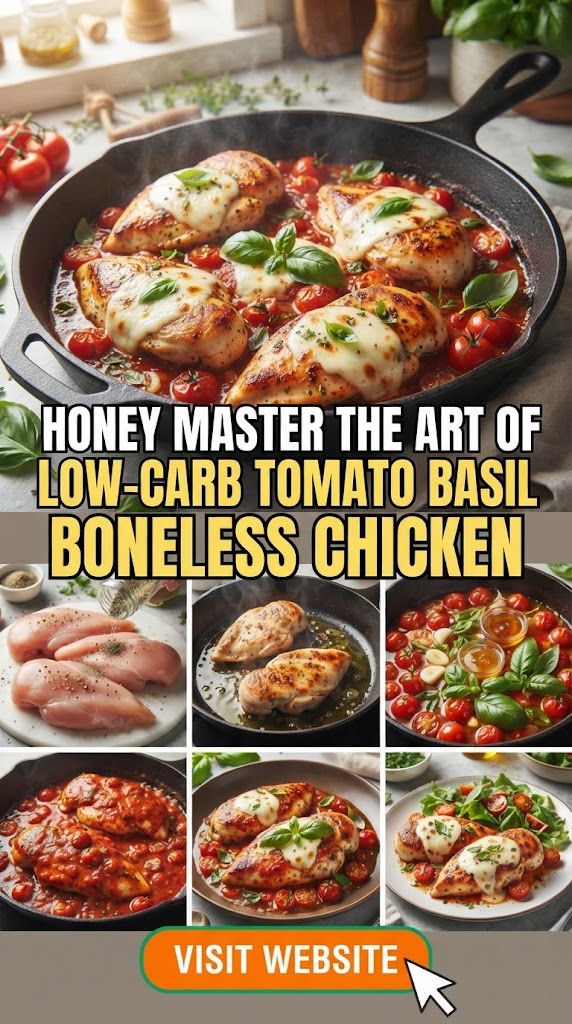
In the modern culinary landscape, the intersection of health and flavor is where the most exciting innovations happen. For those following a ketogenic, paleo, or general low-carb lifestyle, finding a meal that feels indulgent yet remains nutritionally sound is the ultimate goal. Enter the Low-Carb Tomato Basil Boneless Chicken. This dish is more than just a recipe; it is a celebration of Mediterranean simplicity, highlighting the vibrant acidity of sun-ripened tomatoes, the peppery sweetness of fresh basil, and the lean protein of perfectly cooked chicken.
Whether you are a seasoned meal prepper or a busy parent looking for a 30-minute weeknight wonder, this guide will provide everything you need to master this dish. We will dive deep into ingredient selection, the science of searing, low-carb substitutions for traditional sides, and advanced techniques to elevate your home cooking to restaurant quality.
The Nutritional Philosophy of Low-Carb Cooking
Before we heat the skillet, it is essential to understand why this dish has become a staple in healthy households. Standard Italian-American chicken preparations often rely on heavy breading or sugary jarred marinara sauces. By stripping away these unnecessary carbohydrates, we allow the natural flavors of the whole foods to shine.
Chicken is a high-biological-value protein, meaning it contains all the essential amino acids your body needs for muscle repair and metabolic function. When paired with the lycopene found in tomatoes—a powerful antioxidant—and the anti-inflammatory properties of fresh basil and garlic, you aren’t just eating a meal; you are fueling your body with a nutritional powerhouse.
Essential Ingredients: Sourcing for Excellence
The secret to a five-star low-carb meal lies in the quality of the raw materials. Since we aren’t masking the food with heavy starches, every ingredient must be top-tier.
1. The Chicken: Breast vs. Thighs
For this recipe, boneless chicken is the star. You have two primary options:
- Boneless, Skinless Chicken Breasts: The leanest choice. To prevent them from drying out, they require careful monitoring of internal temperature.
- Boneless, Skinless Chicken Thighs: These contain slightly more fat, which translates to more flavor and a more forgiving cooking process. If you are on a strict Keto diet, thighs are often preferred for their higher fat-to-protein ratio.
2. The Tomatoes: Fresh or Canned?
- Fresh Roma or Vine-Ripened Tomatoes: Best used when they are in peak season (summer). They provide a light, chunky texture.
- Cherry or Grape Tomatoes: These are excellent for “bursting.” When cooked in a hot pan, their skins pop, creating a natural, concentrated sauce.
- Canned San Marzano Tomatoes: If fresh options are lackluster, a high-quality can of whole peeled San Marzano tomatoes (crushed by hand) offers an incredible depth of flavor without added sugars.
3. Fresh Basil
Never use dried basil for this dish. Fresh basil contains essential oils that provide a bright, anise-like aroma that dried versions simply cannot replicate. Look for leaves that are deep green and free of black spots.
4. Aromatics and Fats
- Garlic: Use fresh cloves, not the pre-minced variety in jars, which often contains preservatives that alter the taste.
- Extra Virgin Olive Oil: Use a high-quality, cold-pressed oil for the base of your sauce.
- Butter (Optional): A tablespoon of grass-fed butter added at the end can create a “velouté” effect, thickening the sauce without flour.
The Master Recipe: Step-by-Step Instructions
This method focuses on a “one-pan” approach, which maximizes flavor retention and minimizes cleanup.
Preparation Phase
- Prep the Chicken: Pat the chicken dry with paper towels. This is the most important step for achieving a golden-brown sear. Season liberally with sea salt and freshly cracked black pepper on both sides.
- Slice the Aromatics: Thinly slice 4-5 cloves of garlic. Halve your cherry tomatoes or dice your Roma tomatoes.
- The Basil Chiffonade: Stack your basil leaves, roll them tightly like a cigar, and slice them into thin ribbons.
The Cooking Process
Step 1: The Perfect Sear
Heat a large cast-iron or heavy-bottomed stainless steel skillet over medium-high heat. Add two tablespoons of olive oil. Once the oil shimmers (but before it smokes), place the chicken in the pan.
Pro Tip: Do not crowd the pan. If necessary, cook in batches. Crowding causes the temperature to drop, leading to steaming rather than searing.
Cook for 5-7 minutes per side until a deep golden crust forms and the internal temperature reaches 165°F (74°C). Remove the chicken from the pan and set it aside on a plate to rest.
Step 2: Building the Sauce Foundation
Lower the heat to medium. In the same pan (don’t wash it!), add another splash of oil if needed. Add the garlic and a pinch of red pepper flakes. Sauté for about 60 seconds until fragrant—do not let the garlic burn, as it will turn bitter.
Step 3: Deglazing and Tomato Reduction
Add your tomatoes to the pan. Use a wooden spoon to scrape up the “fond”—those brown bits stuck to the bottom of the pan. These bits are concentrated flavor. If the pan seems too dry, add 1/4 cup of chicken bone broth or a dry white wine (like Pinot Grigio) to help deglaze.
Cook the tomatoes for 8-10 minutes. If using cherry tomatoes, press down on them with your spoon to help them burst and release their juices. The sauce should begin to thicken naturally as the water evaporates.
Step 4: Finishing Touches
Return the chicken and any accumulated juices to the pan. Simmer for 2 minutes to allow the chicken to absorb the sauce’s flavor. Turn off the heat. Stir in the fresh basil and, if desired, a sprinkle of parmesan cheese or a knob of butter.
Pro-Tips for Maximum Flavor Profile
To elevate this dish from a standard home meal to a gourmet experience, consider these advanced culinary tips:
- The Acid Balance: If your tomatoes are particularly acidic, a tiny pinch of a sugar substitute (like erythritol) or a teaspoon of balsamic vinegar can balance the flavors without adding significant carbs.
- Brining: If using chicken breasts, consider a “dry brine.” Salt the chicken 30 minutes before cooking and leave it in the fridge. This breaks down muscle proteins, resulting in a much juicier bird.
- Herb Timing: Always add the basil at the very end. Heat destroys the delicate volatile oils in basil; adding it after the heat is off ensures the brightest flavor and color.
Low-Carb Side Dish Pairings
Traditional Tomato Basil Chicken is often served over pasta or with crusty bread. To keep it low-carb, try these delicious alternatives:
1. Zucchini Noodles (Zoodles)
Use a spiralizer to create long strands of zucchini. Sauté them for only 2 minutes in a separate pan with garlic and oil, or simply toss them into the hot chicken pan at the very end. Their mild flavor perfectly soaks up the tomato juices.
2. Cauliflower Mash or Rice
A creamy cauliflower purée (made with butter and a touch of heavy cream) provides a “mashed potato” experience that complements the acidity of the tomatoes beautifully.
3. Roasted Asparagus or Broccolini
For a crunchier texture, roast green vegetables with lemon zest and olive oil. The charred tips of the asparagus provide a wonderful contrast to the soft, stewed tomatoes.
4. Spaghetti Squash
If you crave the texture of pasta, roasted spaghetti squash is the gold standard. Its slightly sweet undertones balance the savory garlic and basil.
Variations: Keeping the Recipe Fresh
Once you master the base recipe, you can experiment with these variations:
- The Creamy Tuscan Version: Add 1/4 cup of heavy cream and a handful of fresh spinach to the sauce for a richer, more indulgent meal.
- The Caprese Twist: Top each chicken breast with a slice of fresh mozzarella cheese during the last two minutes of cooking. Cover the pan with a lid to melt the cheese into a gooey blanket.
- The Spicy Arrabiata Style: Double the red pepper flakes and add sliced kalamata olives for a salty, spicy kick.
Meal Prep and Storage Logistics
This dish is a meal prepper’s dream because it actually tastes better the next day as the flavors continue to meld.
- Storage: Store in an airtight container in the refrigerator for up to 4 days.
- Reheating: Avoid the microwave if possible, as it can make chicken rubbery. Instead, reheat in a skillet over low heat with a splash of water or broth to loosen the sauce.
- Freezing: This dish freezes well. Place the chicken and sauce in a freezer-safe bag. It will stay fresh for up to 3 months. Thaw overnight in the fridge before reheating.
Troubleshooting Common Issues
The chicken is dry: This usually happens from overcooking. Use an instant-read meat thermometer. Pull the chicken off the heat at 160°F; the carry-over cooking will bring it to the safe 165°F while resting.
The sauce is too watery: You likely didn’t cook the tomatoes long enough. Allow the sauce to simmer uncovered so the steam can escape, which concentrates the flavors and thickens the consistency.
The garlic is bitter: You likely burnt it. Garlic cooks very fast. Always add it after the pan has cooled slightly from searing the chicken, and keep it moving.
The Science of Satiety: Why This Works
The reason the Low-Carb Tomato Basil Boneless Chicken is so satisfying is due to the “Satiety Index.” Protein is the most satiating macronutrient, meaning it keeps you full for longer. By combining high-quality protein with the fiber from the tomatoes and the healthy fats from olive oil, you trigger the release of hormones like cholecystokinin (CCK), which tells your brain you are full.
Furthermore, the “Umami” factor in cooked tomatoes—naturally occurring glutamates—provides a savory depth that satisfies the palate, reducing cravings for sugary snacks later in the evening.
Conclusion: A Staple for the Modern Kitchen
Mastering the Low-Carb Tomato Basil Boneless Chicken is a rite of passage for anyone looking to eat better without sacrificing the joy of a good meal. It is a versatile, vibrant, and deeply nourishing dish that fits perfectly into a busy lifestyle.
By focusing on the quality of your ingredients—choosing the right cut of chicken, the freshest basil, and the ripest tomatoes—and applying fundamental cooking techniques like proper searing and deglazing, you transform simple components into a culinary masterpiece. This isn’t just a diet food; it’s a testament to the fact that the best meals are often the simplest ones. So, heat up your skillet, grab a bunch of fresh basil, and enjoy the process of creating a healthy, restaurant-quality dinner in the comfort of your own home.